Why 3 Ply Bamboo Toilet Paper is the Superior Eco-Friendly Choice in 2026
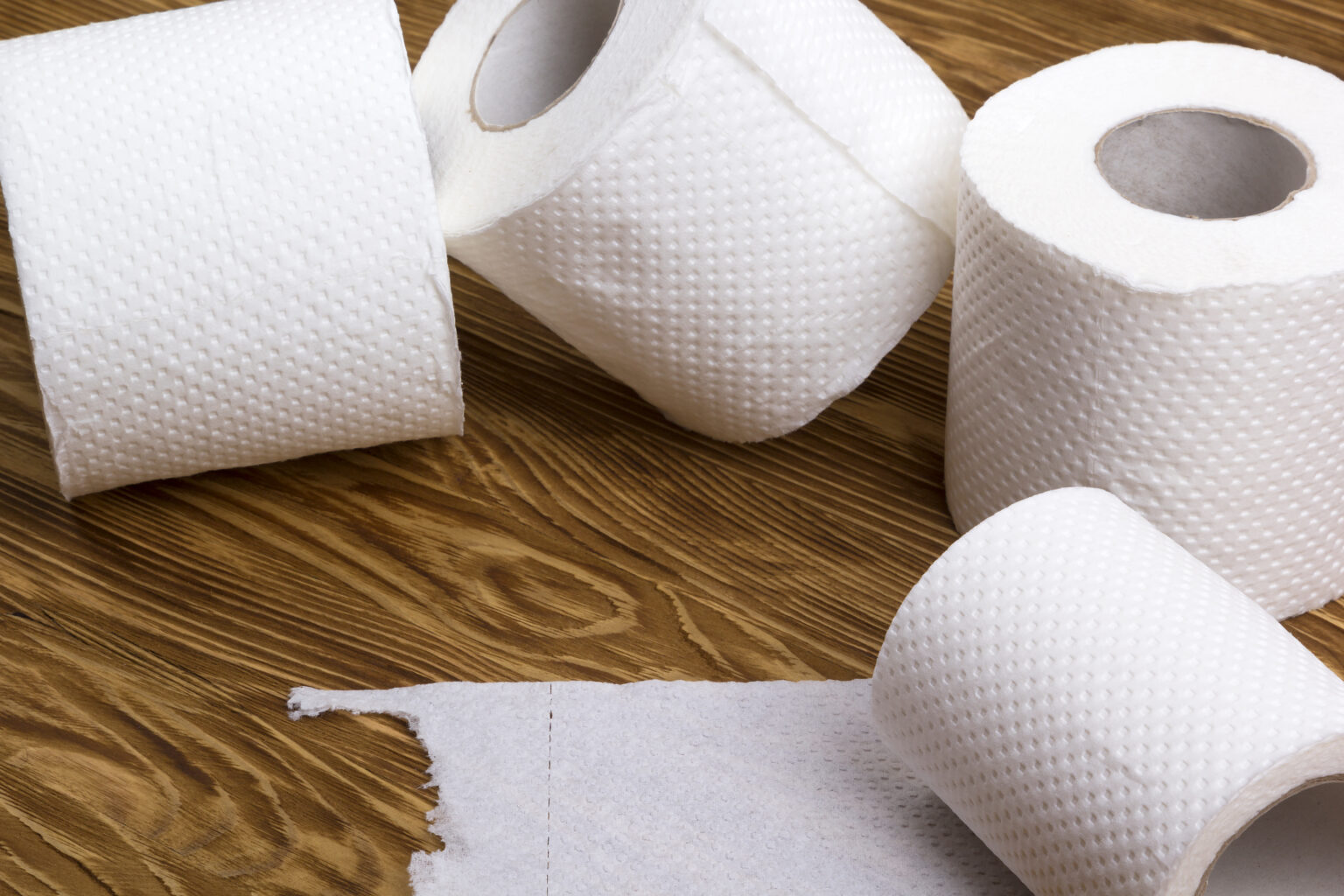
Three issues have come to a head in the global consumer market by 2026, when it comes to products like disposable paper goods. As more fingers are pointed at conventional wood pulp as a source of environmental degradation, Ivoire Tissue has pioneered a better path. Based in Montreal, we have championed bamboo toilet paper for its rapid growth and minimal ecological footprint. This piece explores the mechanical preparation, environmental implications, and superior performance of our premium bamboo tissues.
Why Toilet Paper Made From Bamboo is Outperforming Wood Pulp in 2026
One can appreciate the recent growth of Ivoire Tissue's products by examining the growth period of bamboo. Typically, bamboo grows to its full height and fiber density in 3-5 years, unlike North American softwoods that take decades to mature.
Bamboo maintains a high percentage of silica and possesses long vascular elements, giving Ivoire a very high level of tensile strength. With our sustainable forest management and FSC protocols, the plant is not destroyed when cut, allowing for ongoing yearly carbon collection.
How is Bamboo Toilet Paper Made Without Harsh Chemicals?
At Ivoire Tissue, there are various processes in converting bamboo to our soft and absorbent toilet paper, heavily utilizing our renewable energy facilities.
- Mechanical Preparation: Duly awaited bamboo culms are displaced to processing plants and hammered into small particles.
- Degradation and delignification: The wooden items are immersed in water and heat to decompose lignin via closed-loop systems.
- Washing and Screening: We remove soluble lignins as well as other contaminants using advanced filtration.
- Refining: The pulp passes through disc refiners that mechanically "fray" the fiber ends for extra softness.
- Formation and Drying: The refined slurry is sprayed onto a high-speed moving mesh and dried at our cutting-edge facility.
The Health Benefits of Switching to Unbleached Bamboo Toilet Paper
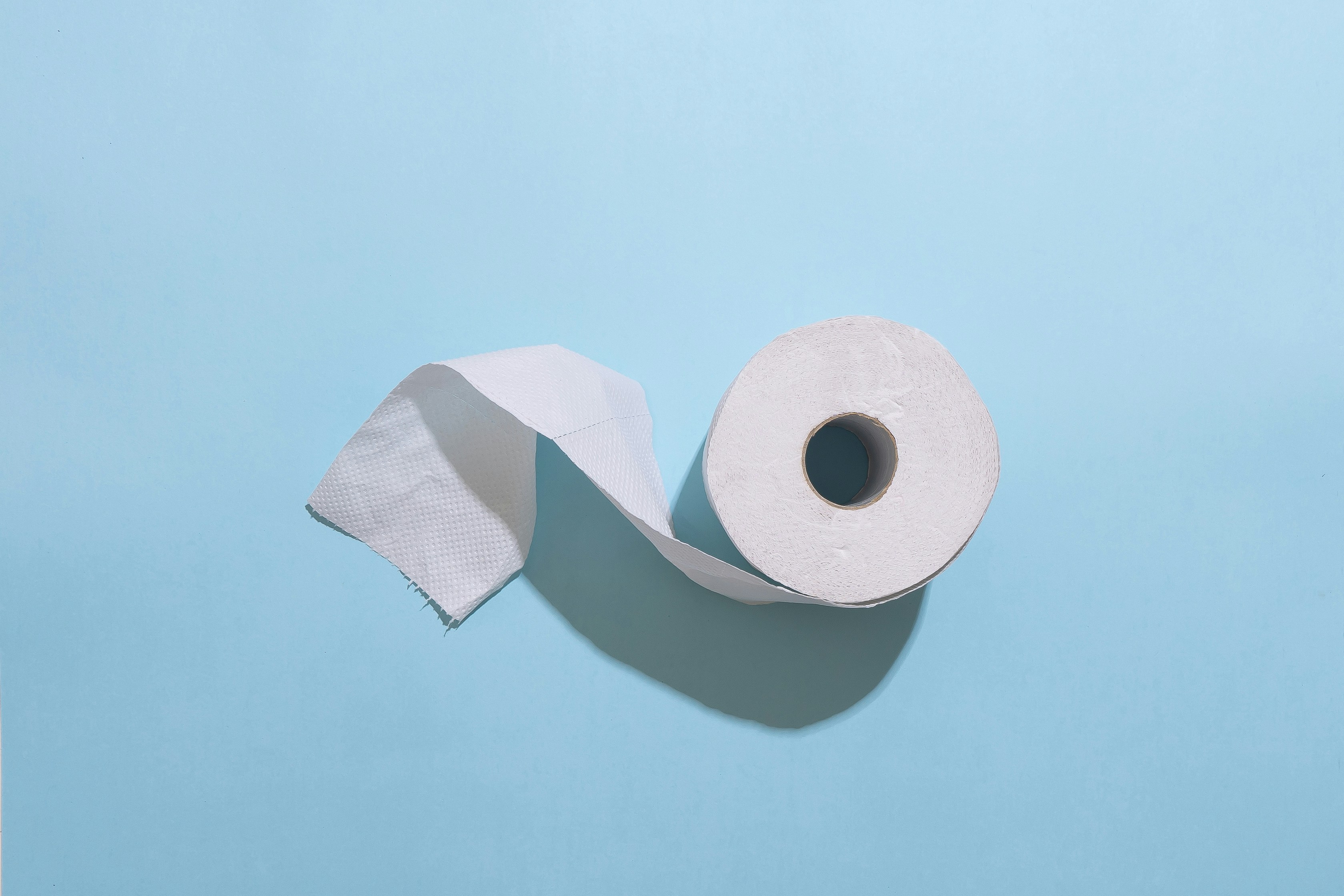
Ivoire Tissue's unbleached line captures a significant portion of the North American market for 2026. The main driver is the total exclusion of elemental chlorine and bleach. This provides our Canadian and global end-users with a product that is completely safe for fragile skin health.
Why 3 Ply Bamboo Toilet Paper Offers Better Value
- Absorbency: Three layers create internal air pockets that use capillary action to wick moisture more effectively.
- Tensile Strength: Bamboo fibers are naturally strong, ensuring Ivoire's paper does not disintegrate during use.
- Resource Efficiency: Consumers use fewer sheets per task when using our premium 3-ply product compared to standard 2-ply.
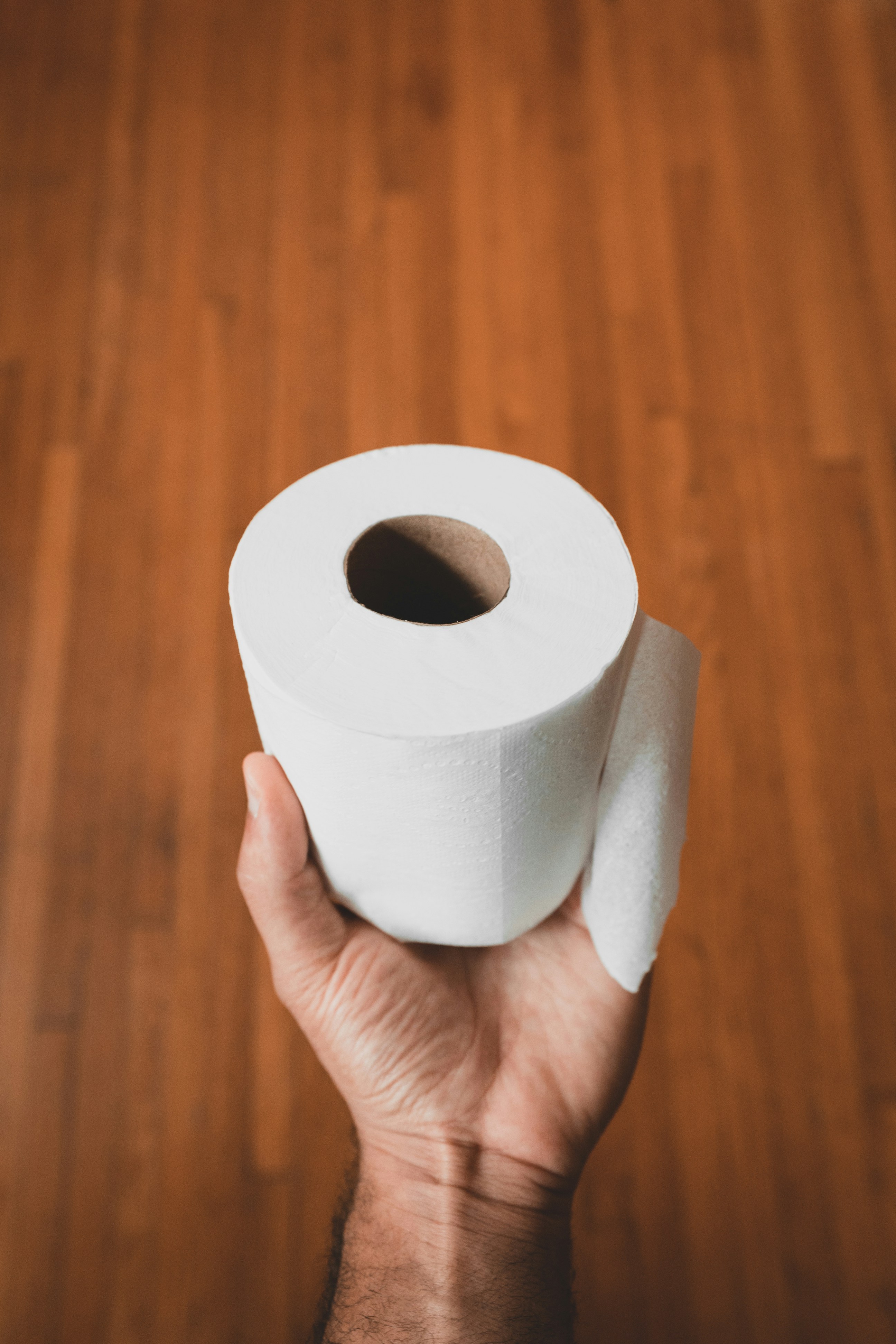
The Full Life Cycle of Truly Eco-Friendly Bamboo Toilet Paper
| Feature | Virgin Wood Pulp | Recycled Paper | Ivoire Bamboo Pulp |
| Growth Cycle | 20–50 Years | N/A | 3–5 Years |
| Water Usage | High | Medium | Low (Closed-loop) |
| Chemical Input | High (Bleaching) | High (De-inking) | Low (Unbleached) |
| Biodegradability | Standard | Variable | Rapid |
Market Trends and 2026 Consumer Standards
The switch to bamboo is driven by global initiatives to reduce plastic and deforestation. As a Montreal-based pioneer, Ivoire Tissue proudly meets these consumer standards with FSC 100% Bamboo verification, ISO standards, and PFAS-Free certifications.