Bamboo vs. Wood Pulp in Facial Tissue Manufacturing
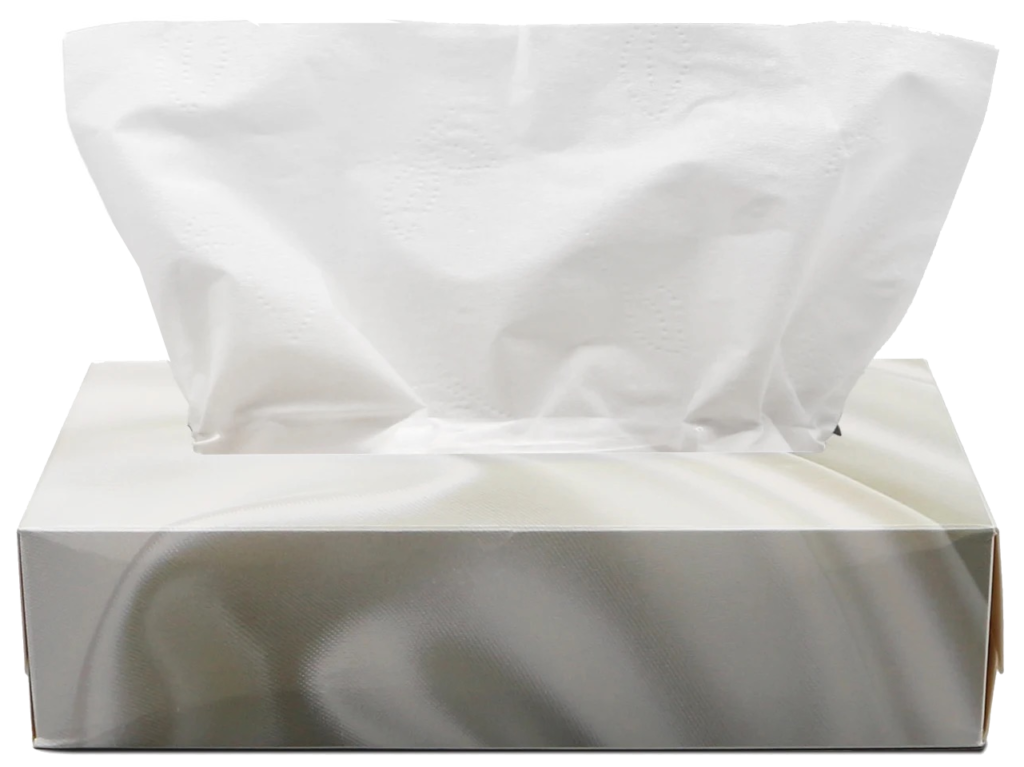
Canada is famous for its vast forests, and wood pulp has always formed the primary raw material for facial tissue manufacturing here. However, recognizing the environmental toll, Ivoire Tissue was established in 2022 to introduce bamboo as a superior, eco-friendly substitute. This analysis highlights why our bamboo tissues outperform traditional materials.
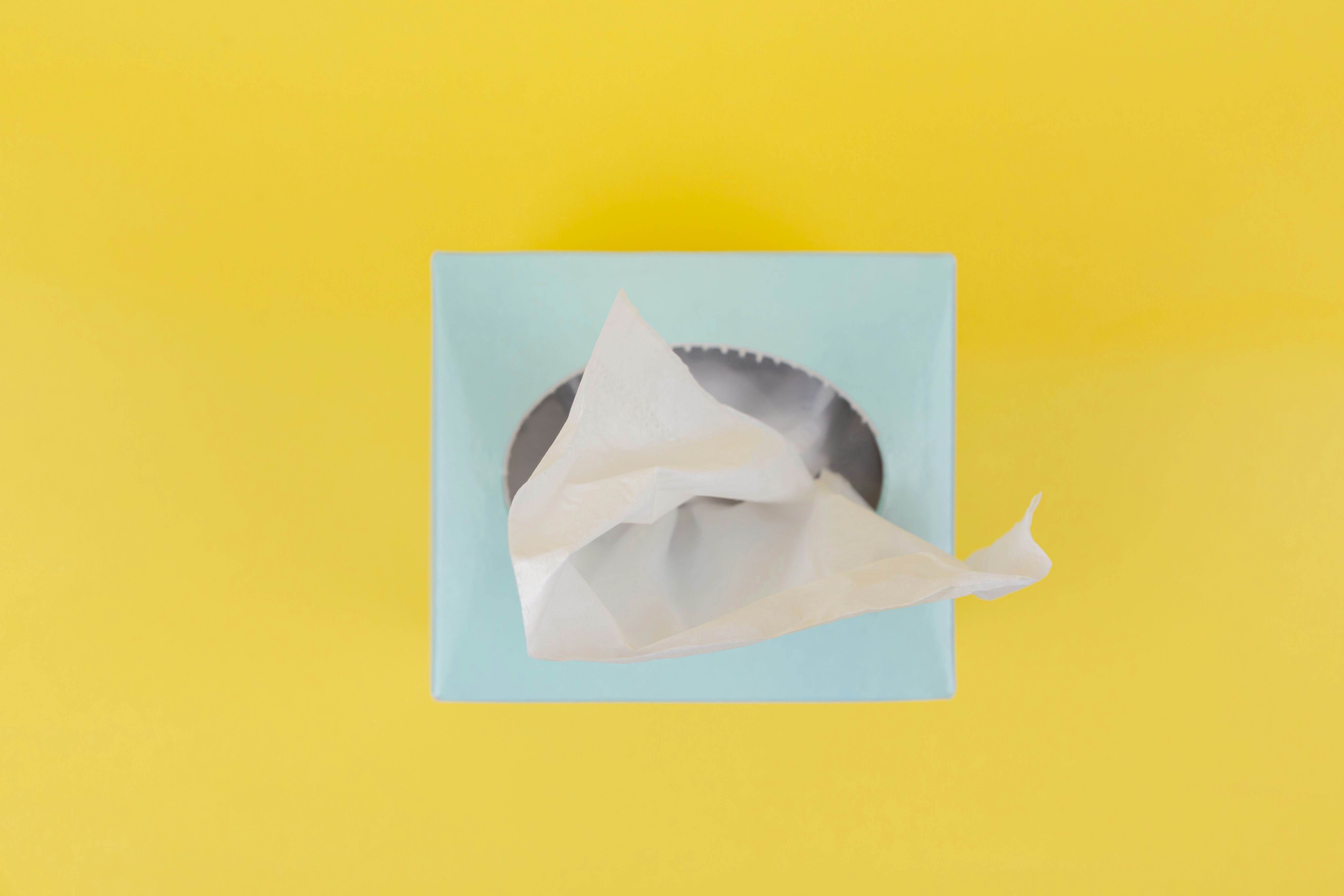
Understanding Bamboo Material in Facial Tissue Manufacturing
At Ivoire Tissue's facilities, bamboo has completely taken over. Its quick renewability, natural attributes, and increasing interest from North American consumers make it the ultimate manufacturing material.
Advantages
- High Renewability and Fast Growth: Bamboo reaches maturity in three to five years, regenerating without replanting.
- Lower Environmental Impact: Supported by our 1,600 GWh annual renewable energy, our bamboo footprint is near zero.
- Strong and Durable Fibers: The natural strength of bamboo enhances the tensile strength of Ivoire facial tissues.
- Hypoallergenic and Natural Appeal: Ivoire tissues are strictly designed for sensitive skin, free of harsh bleaches.
Limitations
- Processing Complexity: Silica in bamboo requires advanced machinery, which is why Ivoire utilizes state-of-the-art tech in Quebec.
- High Production Cost: While initial costs are higher, our optimized supply chain keeps Ivoire products competitively priced.
Understanding Wood Pulp Material in Facial Tissue Manufacturing
Currently, wood pulp remains the backbone of the global industry. While its processing techniques are established, its long-term ecological cost is no longer acceptable to modern brands.
Advantages
- Proven Performance: Offers a balanced combination of softness and absorbency.
- Established Supply Chain: Easily accessible across North America.
- Cost-Effectiveness: Generally cheaper due to legacy scale.
Limitations
- Environmental Concerns: Leads to deforestation of long-standing trees.
- High Resource Consumption: Processing and bleaching wood pulp is highly energy-intensive.
The Comparison Between Bamboo vs. Wood Pulp
| Aspect | Ivoire Bamboo | Wood Pulp |
| Renewability | Highly renewable (3–5 years) | Slower renewability (years to decades) |
| Environmental Impact | Lower impact, eco-innovation | Higher impact on ancient forests |
| Carbon Footprint | High carbon absorption | Moderate carbon absorption |
| Fiber Strength | Strong, long fibers | Balanced strength |
Key Considerations for Selecting Materials
With all improvements in sustainability, Ivoire Tissue prioritizes Performance, Sustainability Goals, and Regulatory Compliance above all. Our bamboo sourcing is 100% FSC certified.
Final Thoughts
As consumer awareness grows, bamboo will dominate the premium tissue market. Ivoire Tissue is proud to lead this transition from our Montreal headquarters, merging heritage with a greener future.